We organize the published research on aging in dogs and cats, so you can explore what is being studied, what it shows, and what it does not establish — by species, life stage, and research area.
Literature navigation only. No diagnosis, treatment, prescription, dosing, or veterinary recommendation is provided.
Why this matters
You notice thesmall thingsfirst.
You notice the small things first.
Long before anything appears on a chart, you see it in the ordinary moments. That attention is worth taking seriously — and it deserves better than guesswork. So we organize the research instead of selling you certainty.
The pause at the bottom of the stairs
A beat longer than last year. Nothing dramatic, nothing you would call a symptom — just a difference you noticed.
01
The slower stretch after a nap
They still get up. It just takes a moment more, and it takes more of them.
02
The toy they walk past now
The routines that made life feel like theirs are the ones you miss first. That is what longevity research is really about.
03
Not anti-aging. Pro-living.
Healthspan is the life inside the years. We are here to help you understand what researchers are actually studying about it — not to promise you more time.
How it works
Four steps, inthe right order.
How it works
1
Tell us about your pet
Species and life stage only. We do not ask for symptoms, diagnoses, or health history.
2
Choose a research area
Five areas of published literature, from movement and recovery biology to cellular aging.
3
Review the research
An AI-assisted literature match organizes the relevant category, its sources, and its limitations on screen.
4
Discuss it with your veterinarian
Bring the citations to the person who knows your animal. Every care decision belongs with them.
This result organizes published literature based on the selections provided. It is not a diagnosis, treatment plan, product recommendation, dosing recommendation, or veterinary opinion.
The research categories
One format.Five researchcategories.
One format. Five research categories.
Each category collects the published literature for one area of research, with the active research ingredients already associated with it. For research purposes only. The presence of published research does not establish safety, effectiveness, or suitability for administration to a companion animal.
Investigational Options
Connective Tissue Research Pen
Movement & soft-tissue literature
The most-requested research category: the literature around stiffness after rest, stair use, and walk tolerance.
Active research ingredients
BPC-157
TB-500
What published research explores
Published rodent and ex-vivo models have examined tendon, ligament and connective-tissue repair signalling.
What the evidence does not establish
Controlled mobility outcomes in companion dogs or cats have not been established, and no dosing has been established.
Rodent and ex-vivo models · Dogs (clinical management literature)
For research purposes only. The presence of published research does not establish safety, effectiveness, or suitability for administration to a companion animal.
Translational Signals
Cellular Aging Research Pen
Cellular-aging literature
Coenzyme and aging-pathway research examined in model organisms, plus the first trials run in pet dogs.
Active research ingredients
NAD+ precursor
What published research explores
Published models have examined NAD+ availability across tissues with age and its relationship to mitochondrial measures.
What the evidence does not establish
Lifespan or healthspan effects in companion dogs and cats are not established by the current literature.
Mammalian models · Companion dogs (early trials)
For research purposes only. The presence of published research does not establish safety, effectiveness, or suitability for administration to a companion animal.
Investigational Options
Metabolic Signaling Research Pen
Body-condition & appetite-signalling literature
Body condition is the best-supported variable in companion-animal longevity research; this category covers the signalling literature around it.
Active research ingredients
Incretin-class research compound
What published research explores
The available literature describes appetite and body-condition signalling pathways, largely in species other than dogs and cats.
What the evidence does not establish
Incretin-class compounds have no established safety, tolerability, or dosing profile in companion animals.
Human and rodent studies · Dogs (body-condition cohort)
For research purposes only. The presence of published research does not establish safety, effectiveness, or suitability for administration to a companion animal.
Investigational Options
Skin & Coat Biology Research Pen
Barrier & matrix-biology literature
Copper-peptide and antioxidant research examined in cell-culture systems.
Active research ingredients
GHK-Cu
Glutathione
What published research explores
In-vitro work has examined matrix remodelling and antioxidant signalling in cell culture.
What the evidence does not establish
Dermatologic or appearance-related outcomes in companion animals have not been established.
Human and rodent cell culture
For research purposes only. The presence of published research does not establish safety, effectiveness, or suitability for administration to a companion animal.
Investigational Options
Recovery Biology Research Pen
Post-exertion literature
The literature on the window after hard activity — working dogs, sport dogs, long convalescence.
Active research ingredients
BPC-157
Glycine complex
What published research explores
Preclinical models have examined tissue-repair and inflammatory-signalling measures after injury.
What the evidence does not establish
Return-to-function timelines in companion animals have not been established by this literature.
Rodent and ex-vivo models · Dogs (rehabilitation literature)
For research purposes only. The presence of published research does not establish safety, effectiveness, or suitability for administration to a companion animal.
Presentation
Considered enough to keep on the counter.
One consistent format
Every research category is presented in the same measured format, so records stay comparable from baseline onward.
Documented, not directed
Each category ships with its citations, its evidence tier, and a written statement of what the literature does not establish.
Research purposes only
No dosing instructions, no administration guidance, and no treatment claims are provided with any category.
For pet families
Species and stage guided
You select species, life stage, and the area of research you want to explore. An AI-assisted literature match organizes the relevant research category and its published sources on screen. You decide what to read next.
Three questions, no account needed
Results shown before any contact details
Research purposes only — no diagnosis, no prescription
The same research categories and the same citations, organized for structured observation: baseline records, interval notes, and a consistent record of what was examined.
Species and life stage. That is the whole starting point — we do not ask for health history, symptoms, or a diagnosis.
0202
Literature Match
An AI-assisted match organizes the research category for the area you chose. Not a diagnosis, not a recommendation, not a veterinary opinion.
0303
Sources In Full
Every citation behind the category, with its publication type, the species studied, its limitations, and what it does not establish.
0404
Your Veterinarian
Take the literature to the person who examines your animal. Care decisions belong with them, always.
No one-size formula. No promises the evidence cannot carry.
Science & evidence
Science, with thevolume turned down.
Science, with the volume turned down.
Promising is not the same as proven.
Source library
Last reviewed: July 2026
The reading list
What the researchsays aboutyour pet.
What the research says about your pet
Each entry states how the work applies to dogs and cats, the benefit it describes, and the line it does not cross. Follow any link to read the source yourself.
Metabolic Signaling Research PenJAVMA (Kealy et al.) · 2002
Effects of diet restriction on life span and age-related changes in dogs
Labrador Retrievers, 14-year paired cohort
The single strongest longevity finding in companion dogs: littermate pairs fed 25% less across life were followed to end of life.
The benefit described
Lean-fed dogs lived a median 1.8 years longer and showed later onset of visible osteoarthritis.
Where it stops
Body condition, not any injectable or supplement, produced the effect. One breed, one facility.
Cellular Aging Research PenDog Aging Project · 2021–ongoing
TRIAD — Test of Rapamycin In Aging Dogs
Companion dogs, ≥7 years, owner-enrolled
The first large, double-blind, placebo-controlled longevity trial run in pet dogs living at home rather than in a laboratory.
The benefit described
Owners report a second benefit alongside the science: full cardiac, cognitive and blood screening surfaced conditions their dogs were not yet symptomatic for.
Where it stops
Results are not yet reported. Enrolment in a trial is not the same as an available product.
Quoted from published interviews with owners enrolled in companion-animal longevity research. These are not testimonials for our products, and no outcome is implied.
“I was interested because Madi was getting older and I knew that this study was a longevity study for dogs. I thought if I could extend her life and have good quality of life, that would be really fabulous.”
“My goal is just to provide them with the best quality of life for as long as possible. I've certainly been provided with second chances in life, and I'd like to offer that to pets.”
Linda
West Des Moines, IA — senior analytics analyst
Sadie, lab/husky mix, adopted from a shelter in 2020
None of those. It is how we organize published research: you choose species, life stage and a research area, and we present the relevant literature with its citations and limitations. Research purposes only.
Never. Your veterinarian remains the centre of your pet's care. Nothing here diagnoses, treats, prescribes, or provides dosing — it is research information only, and every care decision belongs with a licensed veterinarian.
No, and we say so. We label each area as an established foundation, a translational signal, or an investigational option, and we state what the evidence does not establish alongside what it does.
Yes. The research is presented by species throughout — cats are not treated as smaller dogs, and we state which species each cited study actually examined.
An on-screen research summary with the full citations attached — shown before we ask for any contact details, so you can read the literature yourself and decide what to discuss with your veterinarian.
The point of all of it
What would moregood years looklike for them?
What would more good years look like for them?
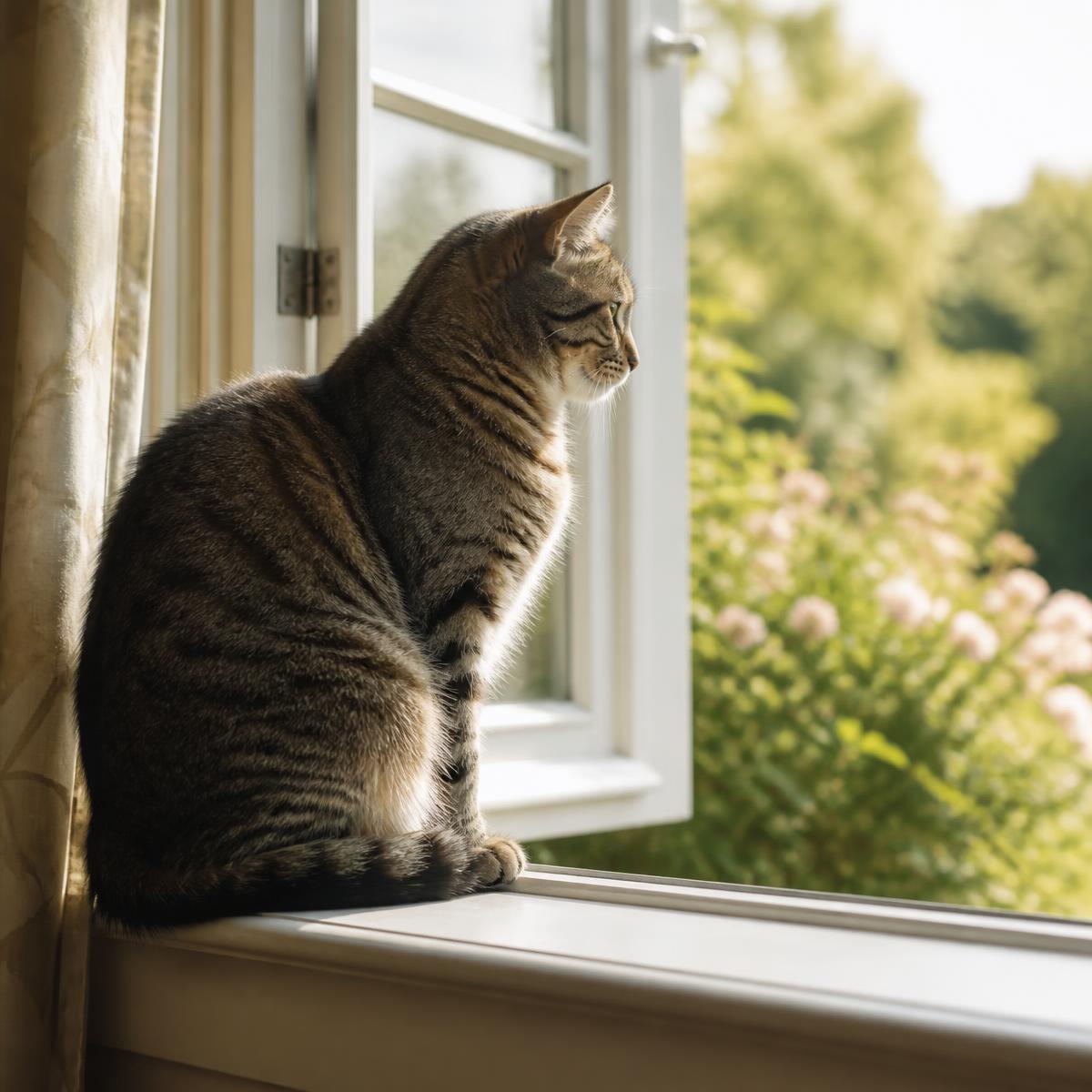
One more trail. One more favorite window. Thousands more ordinary moments—the ones that never feel ordinary later.